Adventure in a Heartbeat
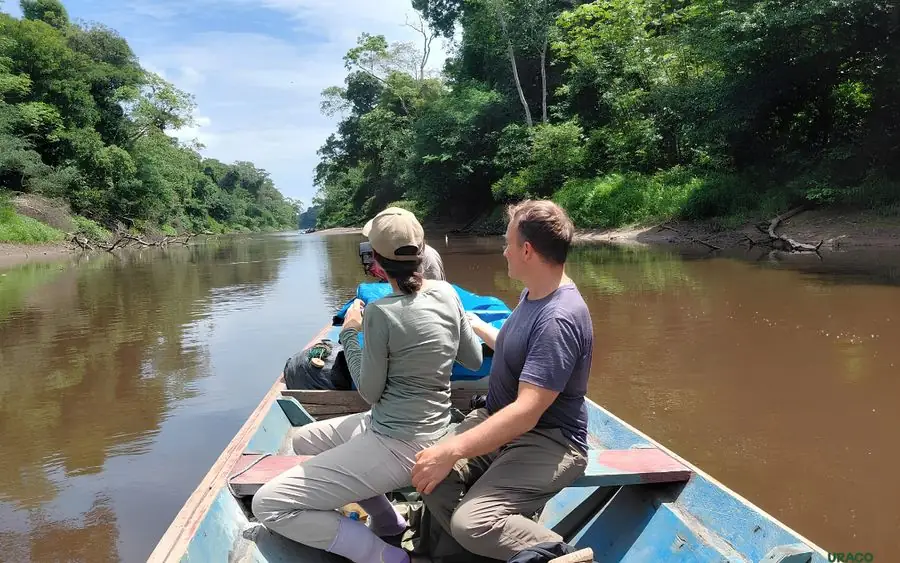
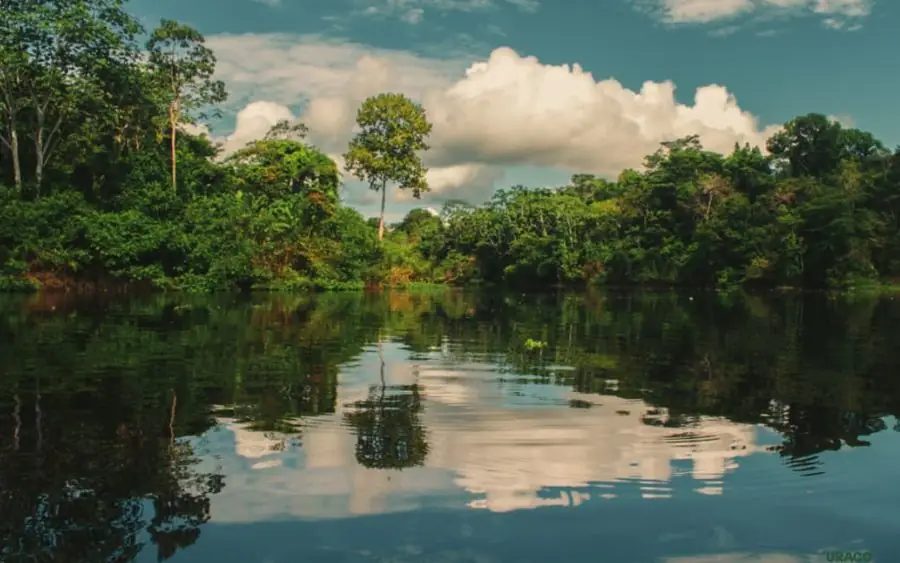
A full day exploring the Yanayacu Pucate sector: river navigation, pink dolphins and lunch on board surrounded by rainforest.
Everything you need to travel to the Pacaya Samiria National Reserve with Uraco Tours: how to get there, how many days to go, which animals you can see, where you sleep and our 1 to 7-day tours.
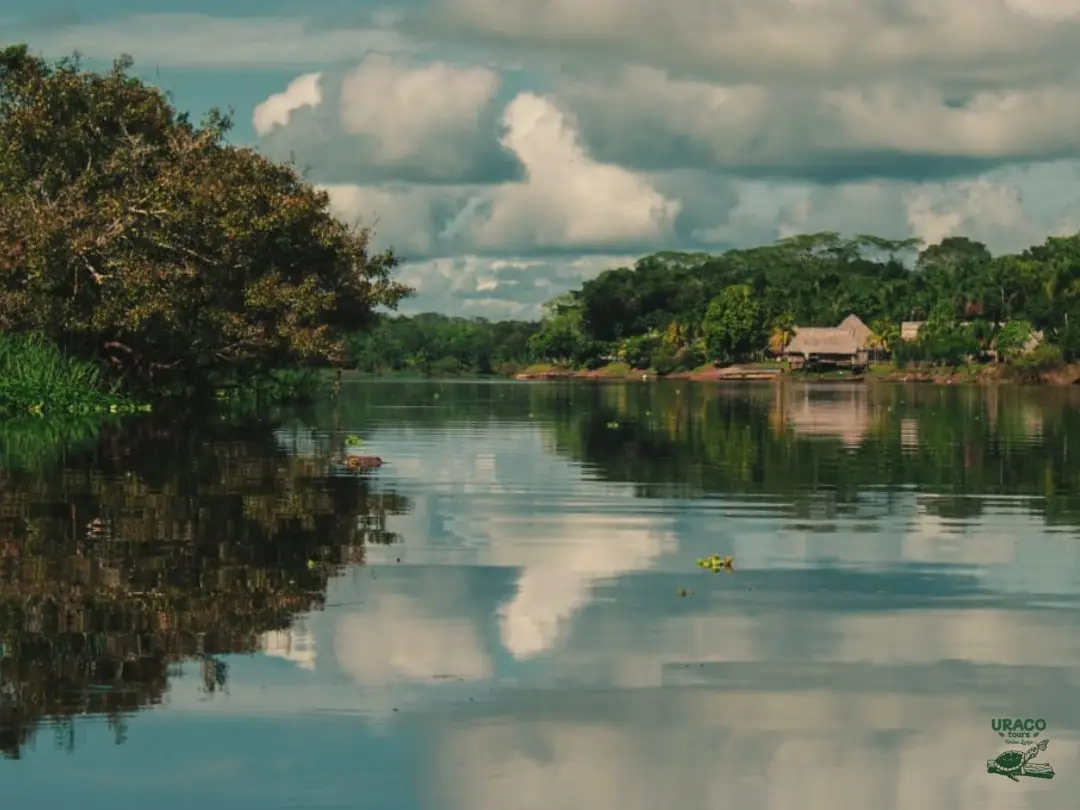
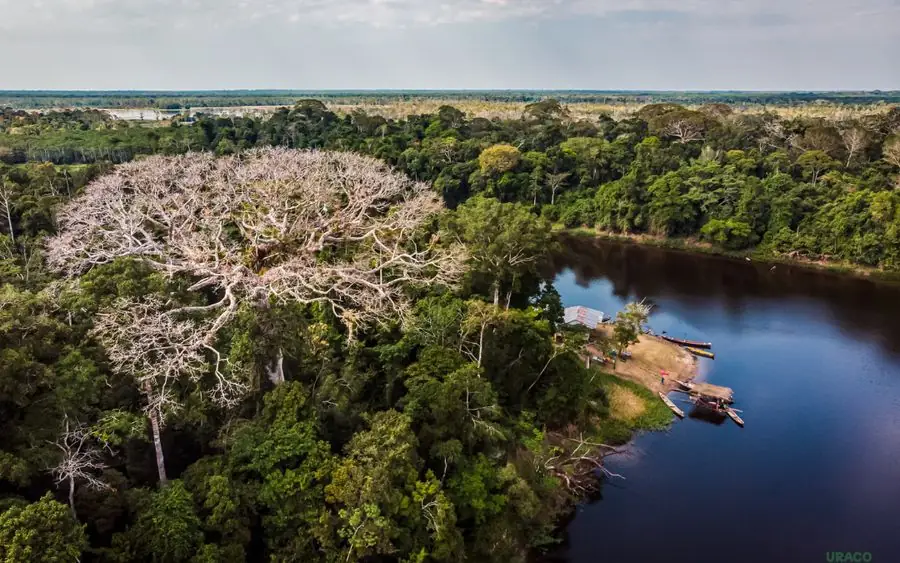
The Pacaya Samiria National Reserve is a protected natural area of more than 2 million hectares in the Loreto region of the Peruvian Amazon. It is Peru's largest national reserve and protects one of the most extensive flooded forests in the Amazon, around the Pacaya and Samiria rivers, between the Marañón and Ucayali rivers.
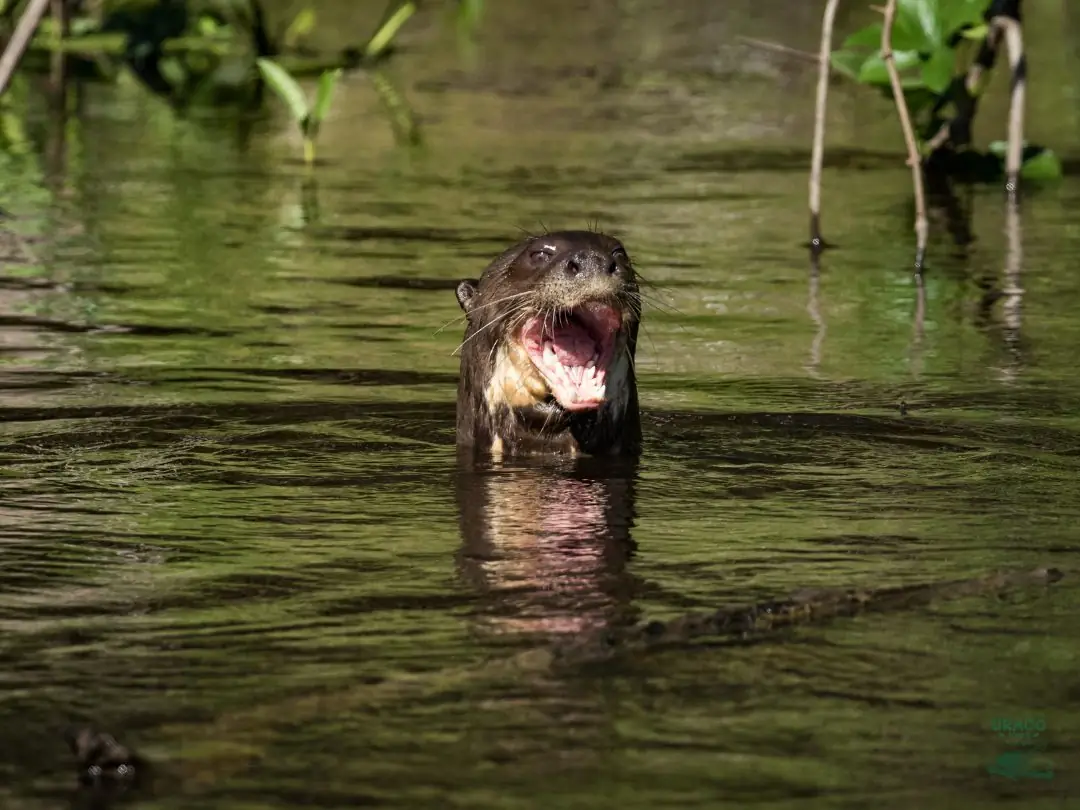
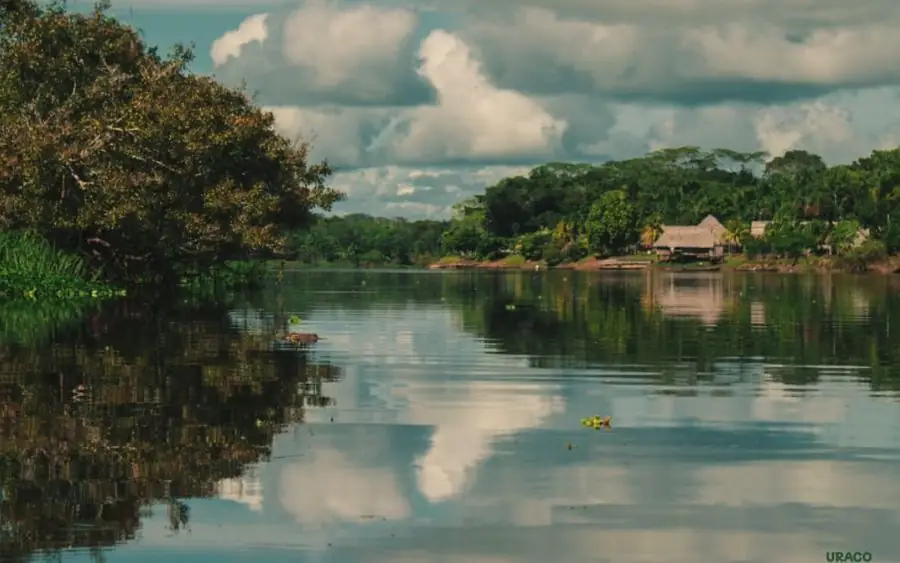
Inside the reserve you travel by water: rivers, caños —narrow channels through the forest— and cochas, the oxbow lakes formed by the river. More than 449 bird species and 102 mammal species have been recorded there, including pink and grey river dolphins, giant river otters, manatees and many primates.
Pacaya Samiria is reached by river. For most travellers the journey has three legs, and on our tours all three are arranged from day one.
Iquitos is the arrival city: it is connected to the rest of Peru by air or by river. Our tours do not include city tours; Iquitos is only the meeting point, where we pick you up at 06:00 to start the journey to the reserve.
From Iquitos you travel by road to Nauta, on the banks of the Marañón river. On our itineraries we leave at 06:30 and reach Nauta around 08:00, where we have breakfast at a local restaurant.
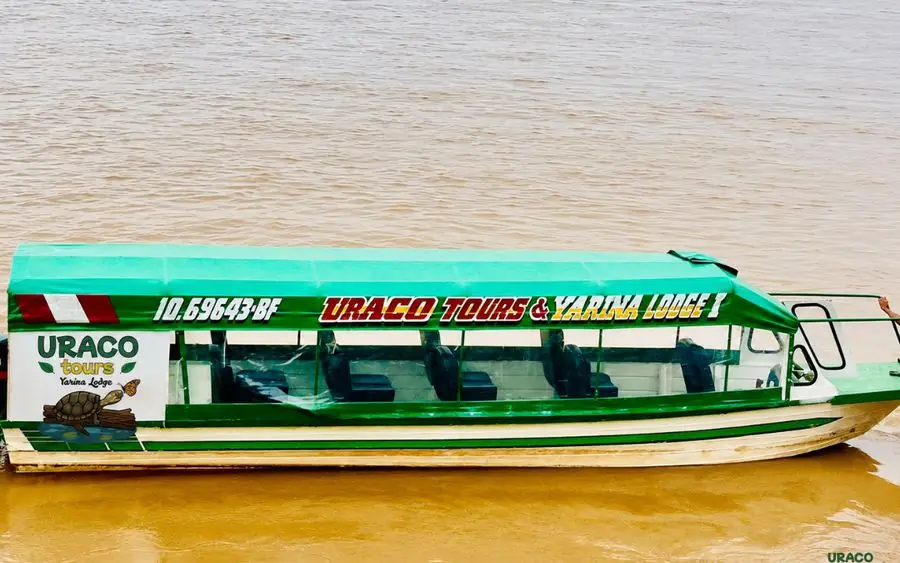
In Nauta we board the boat to the reserve. Depending on the tour, we enter through the Yanayacu Pucate sector, by speedboat in about an hour to PV01 Yanayacu; along the Samiria river, registering at PV04 Samiria; or along the Pacaya river, with a first night in the village of Bretaña before reaching PV15 Pacaya.
It depends on how far you want to go. The first and last days include the transfer from and to Iquitos, so the farther the area you want to see, the more days you need.
In Pacaya Samiria the landscape changes with the level of the rivers. There is no single ideal season: each one offers a different experience, and our itineraries adapt to the river level on every departure.
Roughly from December to May. The rivers rise and flood part of the forest, and the journey is spent navigating among the trees.
Roughly from June to November. The water drops and beaches appear along the banks. When the level falls a lot we use smaller boats with lower-powered engines, which can add about an hour to the itinerary.
The exact dates change every year. Tell us when you want to travel and we will tell you what the river is usually like at that time.
These species are part of the wildlife watching planned on our itineraries. The animals are wild: no sighting can be guaranteed, as it depends on the weather, the river level and each species' cycles.
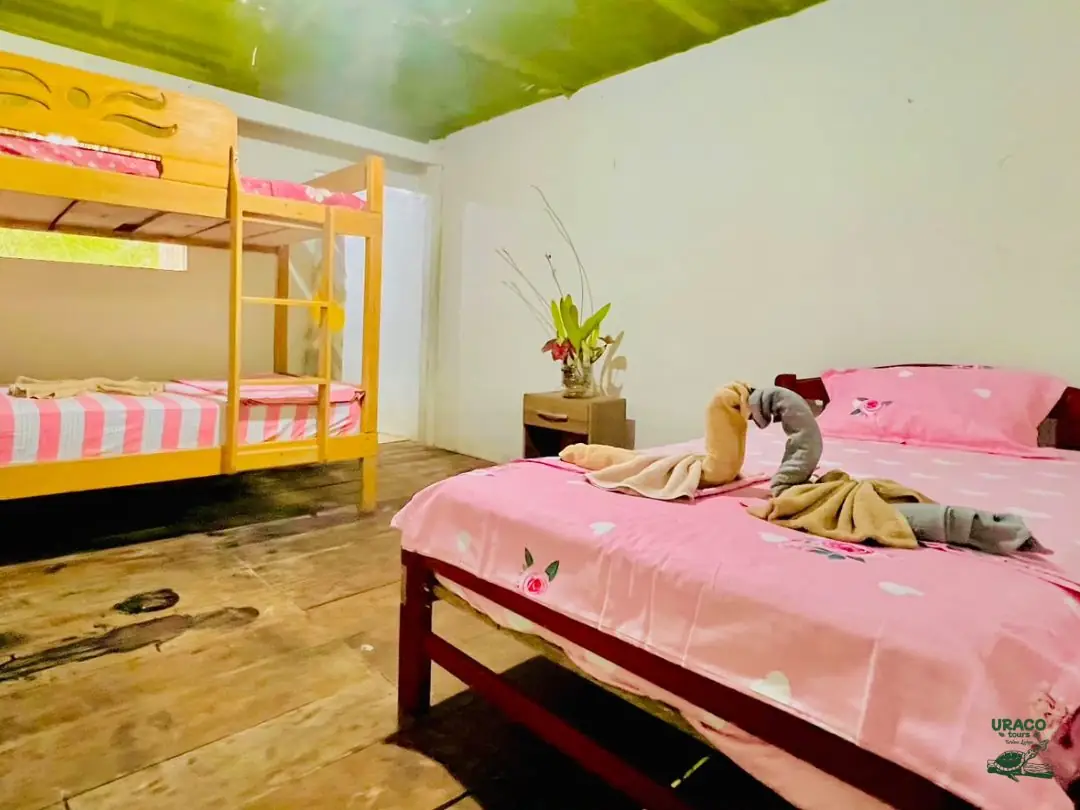
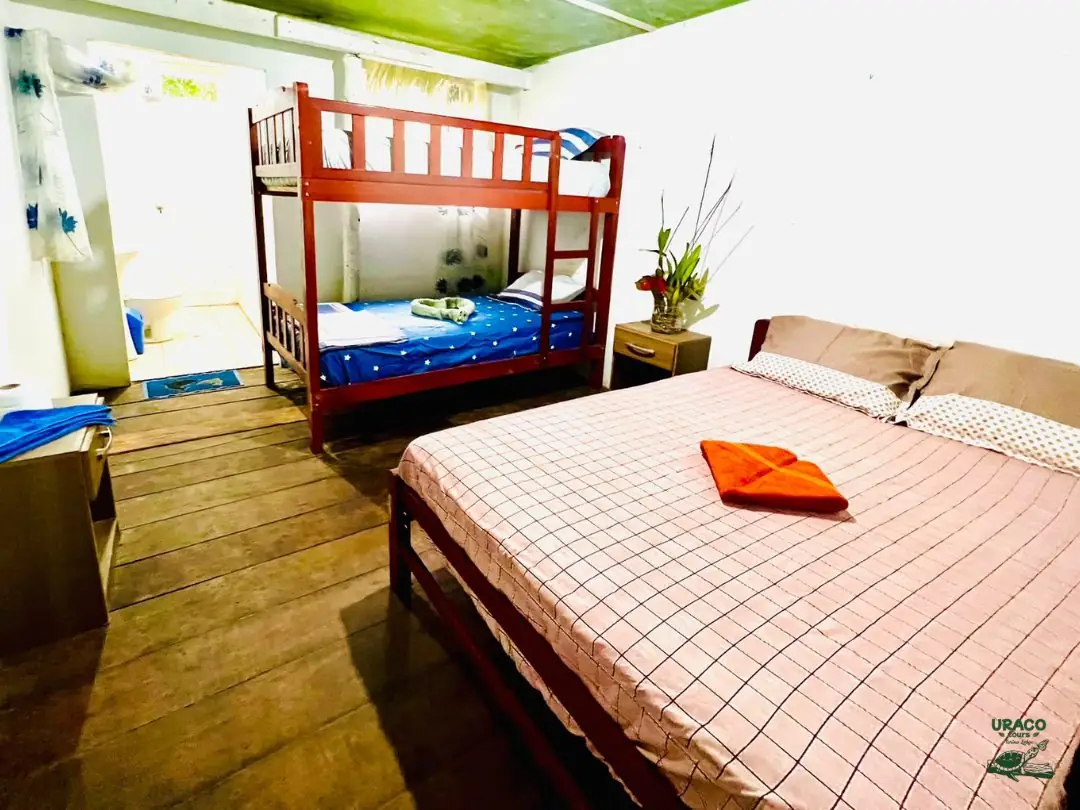
Depending on the tour, nights are spent at one or more of these places:
The Full Day does not include an overnight stay: you leave from and return to Iquitos the same day.
A basic rainforest packing list. When you book, we confirm what you need for your tour and the time of year.
Eight programs from 1 to 7 days. All include pick-up in Iquitos, transport, guide, meals and the itinerary's activities; multi-day programs also include accommodation.
A full day exploring the Yanayacu Pucate sector: river navigation, pink dolphins and lunch on board surrounded by rainforest.
The community of Yarina, the Chingana trail, demonstration fishing and night hikes in search of the forest's secret life.
A direct route to Cocha El Dorado. Two nights at the Cantagallo camp exploring one of the richest oxbow lakes in the reserve.
From the lodge to the Soledad camp: hidden creeks, primary-forest trails and nights in the heart of the reserve.
Up the Samiria river to Tacshacocha and Ungurahui, with a stop at the community of San Martín de Tipishca.
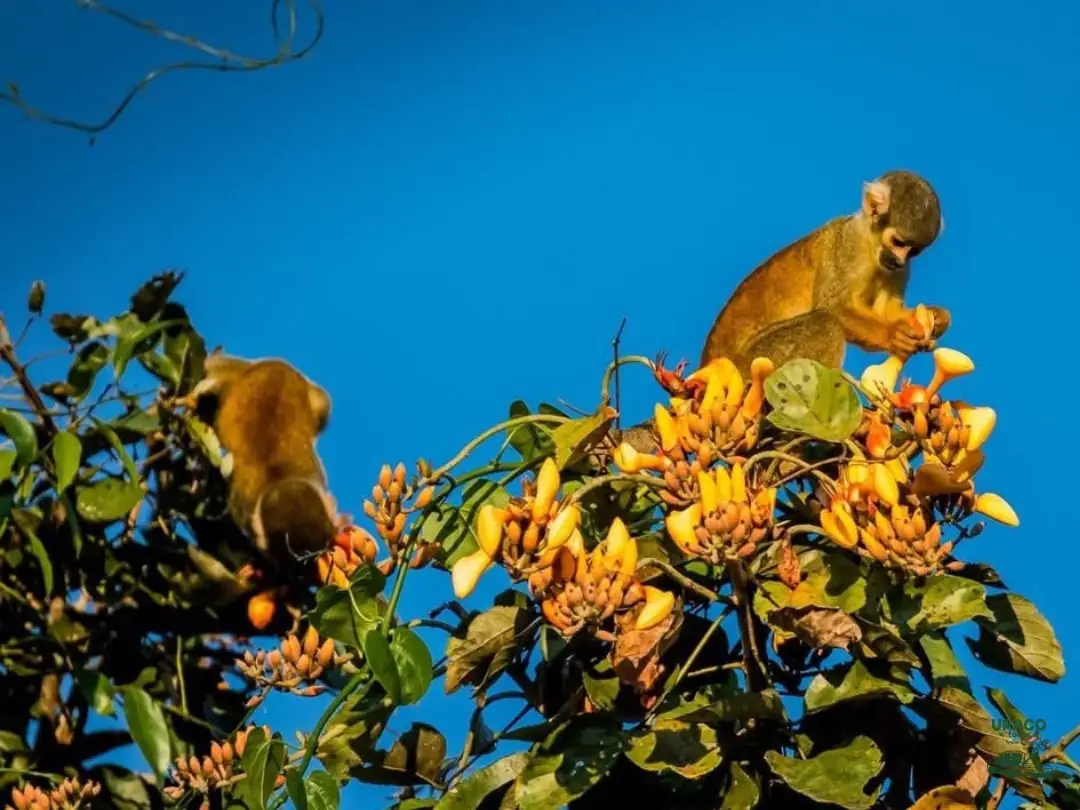
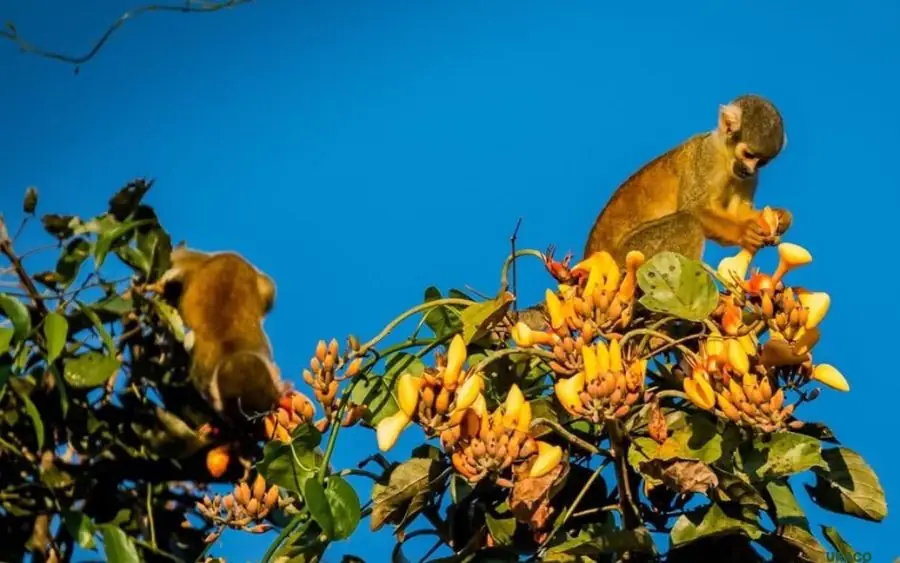
Four nights between Yarina Lodge and the Fariña Sua camp: quiet creeks, anacondas, squirrel monkeys and legends still told today.
The complete journey to Cocha El Dorado, by way of PV21 Achong and the Cantagallo camp. Paiche fish, herons and starry skies.
Our greatest expedition: seven days along the Pacaya river, among manatees, schools of paiche and Cocha Zapote.
Message us at 962 279 516 and we will put together the exact quote for your trip.
In three legs: first to Iquitos, which is connected to the rest of Peru by air or by river; then by road from Iquitos to Nauta, about an hour and a half; and finally by boat from Nauta to the reserve. On our tours, pick-up in Iquitos and all transfers are included. See how to get there step by step.
We pick you up in the city of Iquitos at 06:00 and board the boat to the reserve in Nauta, around 09:00. Uraco Tours does not offer city tours of Iquitos: the city is only the meeting point.
By road, from Iquitos to Nauta. We leave at 06:30, reach Nauta around 08:00 and have breakfast there before boarding the boat to the reserve.
In one day you see the Yanayacu Pucate sector. With 3 days and 2 nights you experience the reserve at a relaxed pace. With 4 to 7 days you reach more remote areas, such as Fariña Sua, Cocha El Dorado, the Samiria river or the Pacaya river. Compare durations.
Pick-up in Iquitos, road and river transport, guide, the meals and activities of the itinerary and, on multi-day programs, accommodation. Each tour details what is and is not included: for example, on several programs lunch in Nauta on the last day is optional and not included.
Depending on the tour, at Yarina Lodge, at camps inside the reserve, at park ranger stations or at local guesthouses. The Full Day does not include an overnight stay. See where you sleep on each route.
ID or passport, light long-sleeved clothing, rain jacket, repellent, sunscreen, flashlight and comfortable shoes. See the full list.
Pink and grey river dolphins live in the rivers and lakes we travel, and watching them is part of all our itineraries. Even so, it cannot be guaranteed: wildlife depends on the weather, the river level and its own cycles.
It depends on what you are looking for. In the high water season, roughly from December to May, you navigate through the flooded forest. In the low water season, roughly from June to November, the water drops and beaches appear along the banks. The dates change every year. See both seasons.
The rate is per person, per day of the program: $170 if you travel alone, $160 per person for groups of 2 to 3, $150 for 4 to 5 and $140 for 6 people or more (USD). Message us for an exact quote for your trip.
Tell us your dates, how many people are travelling and how many days you have. We will recommend the tour that fits best, with no obligation.